Wynonna Judd and Reba McEntire were keen to record Gigi Dixon’s songs. She aced the Nashville-based TV talent show Be a Star and showcased at the Grand Ole Opry. She opened for Willie Nelson and other country stars, and gigged top venues with a backing band full of gifted session players.
This was the late ’80s and early ’90s, when Nashville’s Music Row was resurging—the publishing houses, the studios, the deals made over cassettes and beers in parking lots. A reinvented “Nashville sound”—new country, massive pop crossovers, Garth and Shania—had become an international commercial force.
“You could just walk around and do your business,” Dixon says. She often traveled from Phoenix to Nashville to write and record, wowing session players, managers and record labels. She laughs at the memory: “I would call, say I’m in town, wanna play golf? Wanna write and record?”
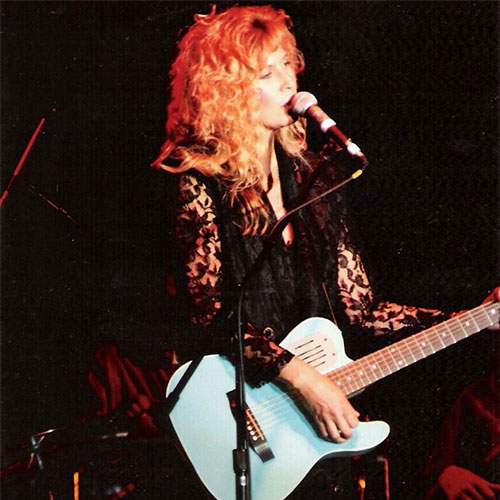
The singer-songwriter seemed made for that Music Row—careening country-rock-meets-Nashville songs, tumbling blond locks and multi-instrumentalist chops. Sharpened her craft alongside songwriters like Troy Martin, whose credits include 15 No. 1 hits. She turned down record deals while holding out for the right one. Investors, managers, club owners and studio vets in both Phoenix and Nashville pegged her as a Next Big Thing.
Listening now, decades later, her songs hold up against any pop-country hit of the era. That’s saying something. But as Dickinson wrote, “fame is a fickle food upon a shifting plate.” Dixon moved on.
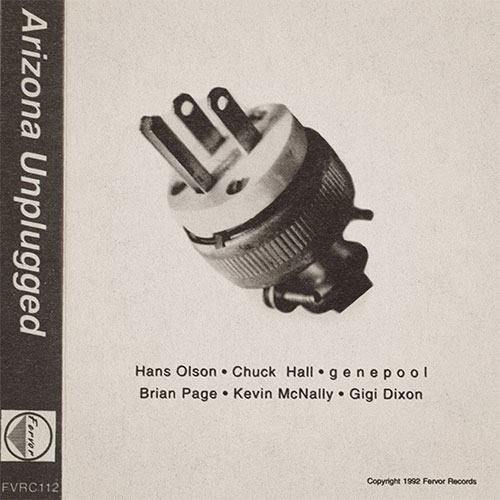
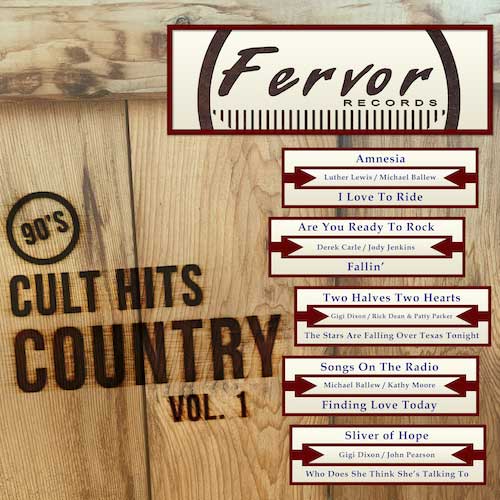
The songs didn’t. Years later, Fervor Records reissued her catalog. Network and premium-cable placements gave the forgotten songs new life.
None of this was by accident. The signs arrived early. Piano snatched Dixon’s heart at age 9. One day she sat at a neighbor’s piano and played a song she’d only just heard in a movie. She’d never touched the ivories before. Her ear was that extraordinary. “I went straight into classical lessons,” she says, a lifetime later. She picked up her sister’s guitar soon after. “It was very cheap … I just remember my fingers hurting so bad, but I still kept playing piano and guitar.”
That was it. At 16, the Nevada-born, Phoenix-raised kid moved in with friends from high school. Her family had moved back to Nevada; she chose to stay and studied music at a local community college. She grew up loving Little Feat (especially keyboardist Bill Payne), Allman Brothers, Chick Corea, Bowie, Bonnie Raitt and Linda Ronstadt turned her head around. She adored Gram Parsons too (“I love Gram because he gave the world Emmylou”).
Soon she was playing bars and clubs in bands. Yes, in the late ’70s and early ’80s, a woman playing southern rock and Skynyrd covers. She began penning her own tunes—even formed a hard-rock band with a horn section—and bounced between country, rock, pop and Top 40. Genre never meant much to her.
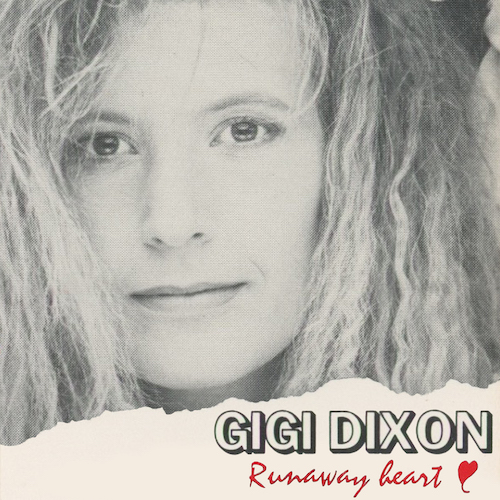
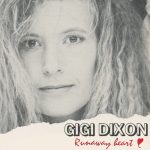
Her country stuff’s in her DNA—a gift linking joy and ache to the time-honored tropes of bars, parties and flatbeds, but with an empowered female slant. That confidence powers her storytelling. Her vocals carry traces of Emmylou and Raitt, even Dolly. On her 1989 self-released debut album Runaway Heart, her flair for pop melody and country strum recalls Linda Ronstadt.
But the songs honor their country roots without sounding bound by them. “Friday Night” swings on honky-tonk fun and saloon-piano runs. The swampy “Missin’ Mississippi” longs for a place she’d never seen. “I get to dreaming and I click my heels,” she sings. Most of her studio and touring players came from the Reba-and-Garth orbit, such as giant Bruce Bouton—his luminous pedal-steel runs underscore songs with moody grace. “Because I was a musician first,” she says, “I was a nitpicker about musicians.”
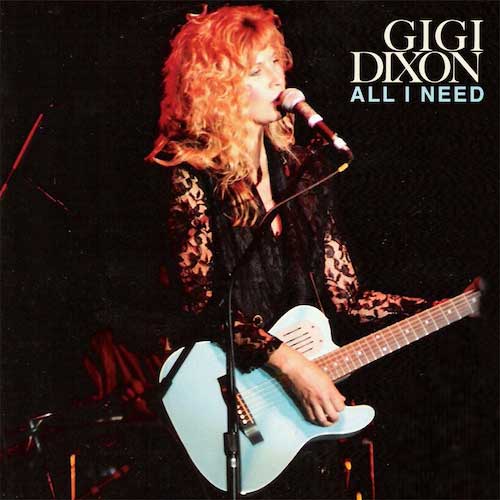
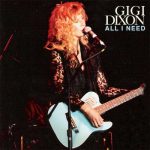
An assembled EP, All I Need, selects a few from the album as well as a few other chestnuts, including the title track, which is both a pleader and a confessional, but stripped to acoustic guitars. It turns sadness into a top-down, open-road kind of optimism. The nuts and bolts—organic, impassioned—reveal a songwriter in command of her expression.
Yet Dixon has always made her living through music while raising her sons—teaching, session work, writing songs and gigging. In conversation, she calls it luck and gratitude: her husband, her sons and her Tempe house with its two recording studios.
– Liner notes by Brian Jabas Smith