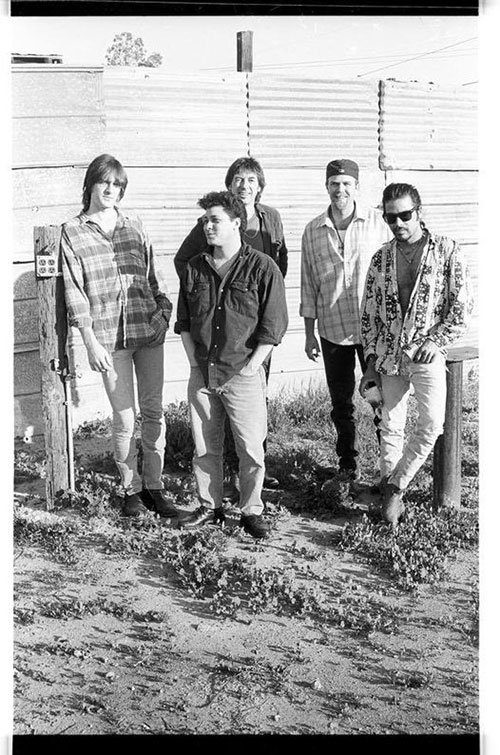
So Tempe, Arizona’s Live Nudes fell apart and band leaders, the Zubia brothers-singer Lawrence and guitarist Mark—hugged it out and formed the Chimeras with Gin Blossoms founder and songwriter (“Hey Jealousy,” “Found Out About You”) Doug Hopkins. On paper it looked genius, the Zubias’ bluesy soul and Hopkins’ literate, pop-song wizardry, along with a new rhythm section, bassist Scott Andrews and drummer Mark Riggs, whom the group nicked from Chuck Hall and the Brick Wall.
Problem was, alcoholism and depression had Hopkins—and Lawrence to a lesser degree—by the throat. Hopkins had already nearly died from it. Still, he fought through stretches of hard-won sobriety, and during that time he was on fire, penning his best, most evolved songs. He had plenty to prove and a consuming anger toward his former band to quell. Those songs—“Mija Veda,” “Scared to Death,” “Angel De Mi Guardia (My Guardian Angel)” and “Absolutely Right and Wrong”—were tailored perfectly for Lawrence’s bluesy tones.
The quintet’s debut show in Tempe sold out, a line curling out the door. The stars aligned—a given the Chimeras would be the next Tempe band signed to a major label. Instead, Hopkins’ losing battle with alcohol crippled the band. He bailed during a sloppy afternoon show in April ’93.
“We were supposed to play a gig again that night,” Mark says. “Doug no-showed.” Days later Hopkins asked back in. “We told him, ‘If you do it once, you’ll do it again.’ And that was it. Six months.” The split didn’t sever friendships, and Hopkins attempted another band or two before killing himself later that year. Lawrence discovered Hopkins’ body himself, a thing that scarred him for life.
The band nearly self-destructed. Riggs soon quit. But never-say-die blue-collar genes defined the Chimeras.
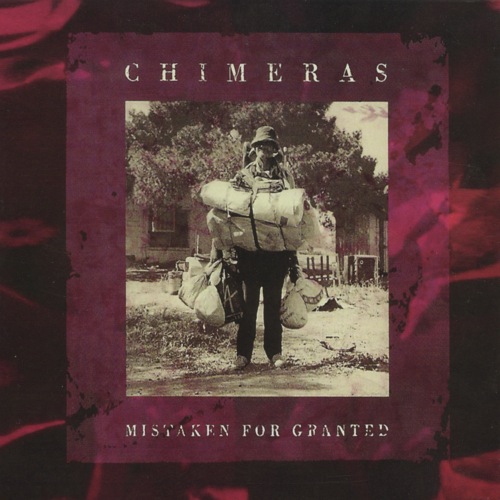
Hopkins and Riggs gone, guitarist Pete Milner and drummer Gary Smith in. Cut to ’95 and the band’s self-released album Mistaken for Granted, all Zubia brothers songs. “He did the vocals before rehab,” Mark says, talking of Lawrence’s 28-day stay, which likely saved both the band and Lawrence’s life. He came out “looking beautiful and bright-eyed.”
For all his weirdly atavistic stage presence and fatal penchant for drink and prescribed substances, Lawrence was no brooding miscreant, rather a quick-as-rainbows sort who was cordial and quick to humor, self-deprecating and otherwise. Yet his lyrics often exist in a space floating between loss and yearning, shouldered by Lawrence’s flawed characters. With its lived-in narrative voice and the band’s rugged blues-pop grip, it all translates to a kind of sweet melancholy. What’s miraculous is the band made it sound pleasing. The coarse lullaby “Tears Fall” falls gently between teardrop-y Americana-pop (“Funeral For a Friend”—for Hopkins) and a four-on-the-floor confessional rocker (“Crooked Mile”). The haunted and tender “September Sons” is an acoustic guitar-vocal ballad of family longing and fever-dream reminiscence, worthy of a John Prine setlist.
Mistaken for Granted was released sans Hopkins songs—they avoided trading on those. The bluesier, elevated songwriting and slight tinges of Mexican folk music the brothers grew up listening to showed they didn’t need to ride Hopkins songs. This was, essentially, a new band.
Band booster Jesse Valenzuela (Gin Blossoms) hipped the Chimeras to Morty Wiggins (then of Bill Graham Management), and soon an A&R VP at Disney-owned Hollywood Records signed the band. But the major label hadn’t yet figured out how to break a band, the acquisition of the Queen catalog its lone success.
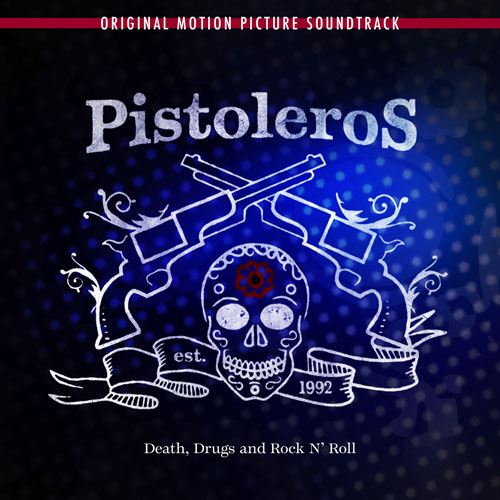
Moreover, an Irish band laid legal claim to the Chimeras moniker. Hence the Pistoleros.
– Liner notes by Brian Jabas Smith