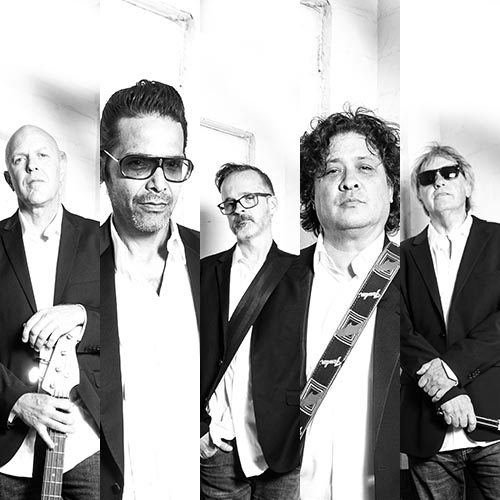
The relationship between brothers Zubia—frontman Lawrence and guitarist Mark—rivaled infamous sibling wars like the Black Crowes, Oasis and the Kinks. Only Lawrence’s addictions were worse.
One night, before the Chimeras became the Pistoleros, he was blind high, hiding from cops in some bushes. His terrified girlfriend had called the cops. Dude was on a suicide run. By then, his addictions were already infamous in Tempe. Not two years earlier, he’d found his buddy Doug Hopkins, a bandmate and songwriter, dead, his head blown open by a gunshot wound.
Lawrence entered an intense rehab and emerged, as Mark puts it, “looking beautiful and bright-eyed.” Soon Hollywood Records and publishing giant EMI signed the band. Their major-label debut, 1997’s Hang On to Nothing, found the Zubia brothers aided by outside writers Pat DiNizio of the Smithereens and the Jayhawks’ Gary Louris and Marc Perlman. The ghost of Hopkins circled the record—he penned the single “My Guardian Angel,” a mariachi-horned beauty written for his girlfriend before he took his life.
The slick, beautiful, pop-toned record should’ve been an easy sell to the American public. It stiffed. Blame Hollywood Records—they’d yet to break a band. Before the close of the ’90s, the Pistoleros—now Mark, Lawrence, bassist Scott Andrews, guitarist Thomas Laufenberg and drummer Gary Smith—were dropped from the label. Few bands survive a disappointing record and the boot from a major label. The Pistoleros did.
These Mexican-American brothers who grew up playing mariachi music with their father endured Lawrence’s intimacy with self-destruction. They made high art of hardship, holding tight to family, music and each other. Their dad once told Phoenix New Times “it was the soul in Mexican music, its inherent sadness, that made both of his sons sensitive musicians and prolific songwriters.”
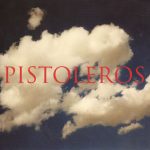
Cut to 2000 or so. Lawrence is married with a child. He said then, “suicide is off the table when you have a kid.” That year’s self-titled album is both spare and layered, the Zubia brothers’ songwriting fortified by seductive guitar lines and sweet Stax-y touches: blipping horns, organ swells, sauntering harmonica, slide guitar, soaring female backup vocals. The slow-lifting chorus of “Love Street.” The punchy power-pop of “Superman.” The anthemic air of “Running.” The self-reflective, Stones-y “Shooting Star” surveys Lawrence’s shoulda-couldas with hard-earned insight.
Lawrence’s voice rises, sometimes winky smooth and sunshine lazy, sometimes grainy and depleted, his gutter truth and romanticism softening into something like hope. The towering “Everybody Wins,” co-written with Marti Frederiksen (Aerosmith, Sheryl Crow), is nothing but hope.
A pair of sold-out shows in Tempe, celebrating the band’s tin anniversary, produced the rousing 2002 live album Bars & Guitars, which includes a few Hopkins-penned songs and Pistoleros faves. Each record—major label, minor label, no label—never wavered in quality or growth; the Zubias’ songsmithery never waned. Lawrence was a casting director’s dream of a brooding rock-star frontman. Mark, the quiet corkscrew-haired counterweight. The band had it all.
Lawrence’s depression bent again toward self-destruction. Before the silence, Mark and Lawrence recorded one brilliant album as the Zubia Brothers: 2004s Voices From the Street. Mark stepped away from his brother for his own sanity. It broke his heart. For six or seven years, they didn’t talk. The Pistoleros never officially split; Mark just quit booking shows. He had Los Guys, their records and a solo album. Lawrence had the Persuaders and a record there.
But Lawrence turned things around. With multiple children now, he had to. He began doing solo acoustic shows. Lawrence logged three sober years before the Zubia bros hugged it out in 2015.
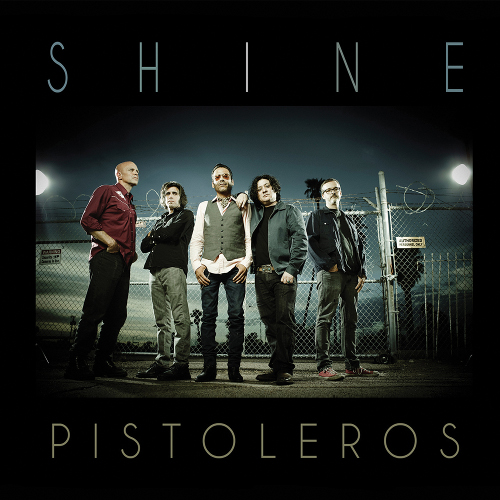
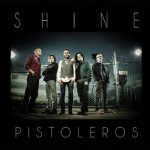
The Pistoleros were back. Fervor Records signed them. Hence the 10-song Shine, a monster trip into regret, love, redemption and what-might’ve-beens—from the yearning soul of “There’s a Light” and the lilting ode to a lovely Tempe scene matriarch in “Sara Says” to “Photograph,” which wraps the album’s themes into a droney weeper. Lawrence adopts the POV of a prisoner on the jangle ripper “28 to Life.” The Mark-sung “Really Want to Know” rides the band’s love of country rock.
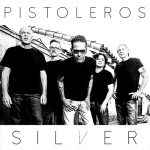
Two years later, the Pistoleros celebrated 25 years with Silver, another all-killer-no-filler affair with original Chimeras drummer Mark Riggs replacing the departed Smith. The band sounds especially upbeat. In fact, they downright pop out on the tart “Always You and Me,” and the unironically joyful “Summertime.” The opening guitar lick on the irresistible “Parts of Yesterday” flirts with the Stones’ “Tumbling Dice,” as Lawrence sings of fettering his isolation and nostalgia.
The too-easy “Tempe sound” tag haunted the Pistoleros. Every note on the final two albums feels directly connected to the band’s soul. They are joyful, poignant, profound and, more than the others, necessary. So few rock ’n’ roll records offer that.
They survived suicide, divorce, addiction and every manner of human failing. A listener can trace that complicated fraternal bond, faith and those lessons through their deceptively accessible songs. Near the end, the brothers fell out over publishing money. “I was an asshole too, though,” Mark says now. November 2018 was their last show together. Mark got fired. He was shocked. But there was no Pistoleros without half its songwriting team. Without its driving force. The band played a couple more shows without him, including its 2019 Arizona Music Hall of Fame induction.
Lawrence died in 2020, after contracting pneumonia while recovering from pancreatic surgery. The singer never seemed to age, yet spent a lifetime kicking through darkness and somehow emerged on the other side wiser, gentler and more compassionate than anyone had a right to expect.
Fervor Records’ David Hilker and Jeff Freundlich, film director Steven B. Esparza, former Arizona Attorney General Grant Woods (RIP) and others produced the 2022 documentary Pistoleros: Death, Drugs and Rock ’n’ Roll—a beautiful heartbreaker of a film that uses rock ’n’ roll to explore family, faith, addiction and grace.
– Liner notes by Brian Jabas Smith